
Quick Summary
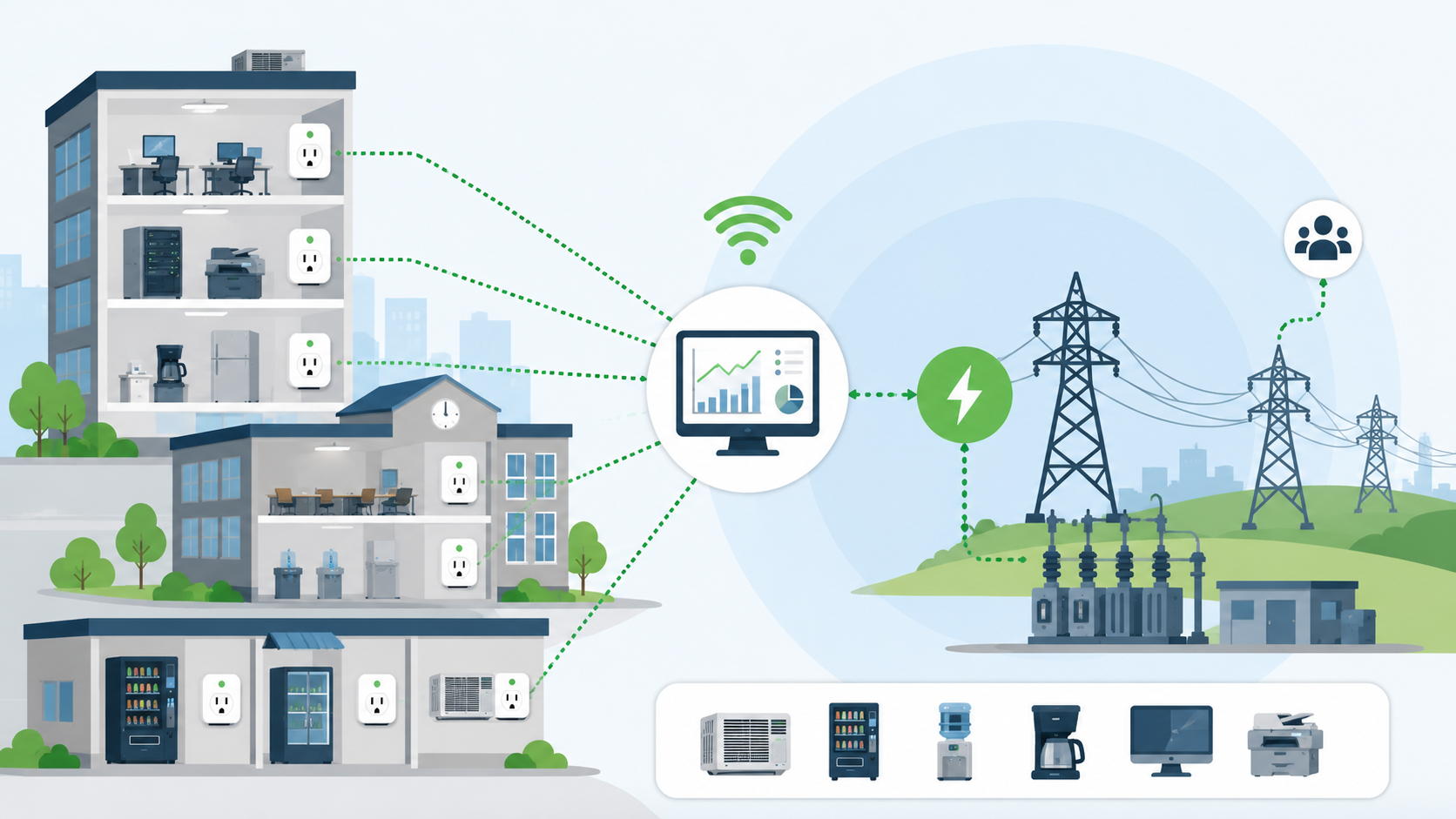
A virtual power plant (VPP) is not a single facility. It is a coordinated portfolio of distributed energy resources and flexible loads that can be measured, controlled, and dispatched to help balance the grid. Batteries, solar systems, EV chargers, and smart thermostats are familiar examples, but commercial buildings also contain a quieter class of flexible capacity: plug-in appliances and other distributed loads that often sit outside traditional building automation systems.
The practical opportunity is not to treat every device as a power plant on its own. It is to aggregate many small, controllable loads into a reliable resource that can reduce waste, lower peaks, support demand response, and eventually participate in broader VPP programs.
Why VPPs matter now
Electricity demand is becoming harder to plan around. Data centers, electrification, manufacturing growth, and aging grid infrastructure are putting pressure on utilities to add capacity faster than traditional generation and transmission projects can be built. A recent Wall Street Journal article framed the issue clearly: one fast path to capacity is tapping resources that already exist, including connected devices aggregated into “distributed power plants.”
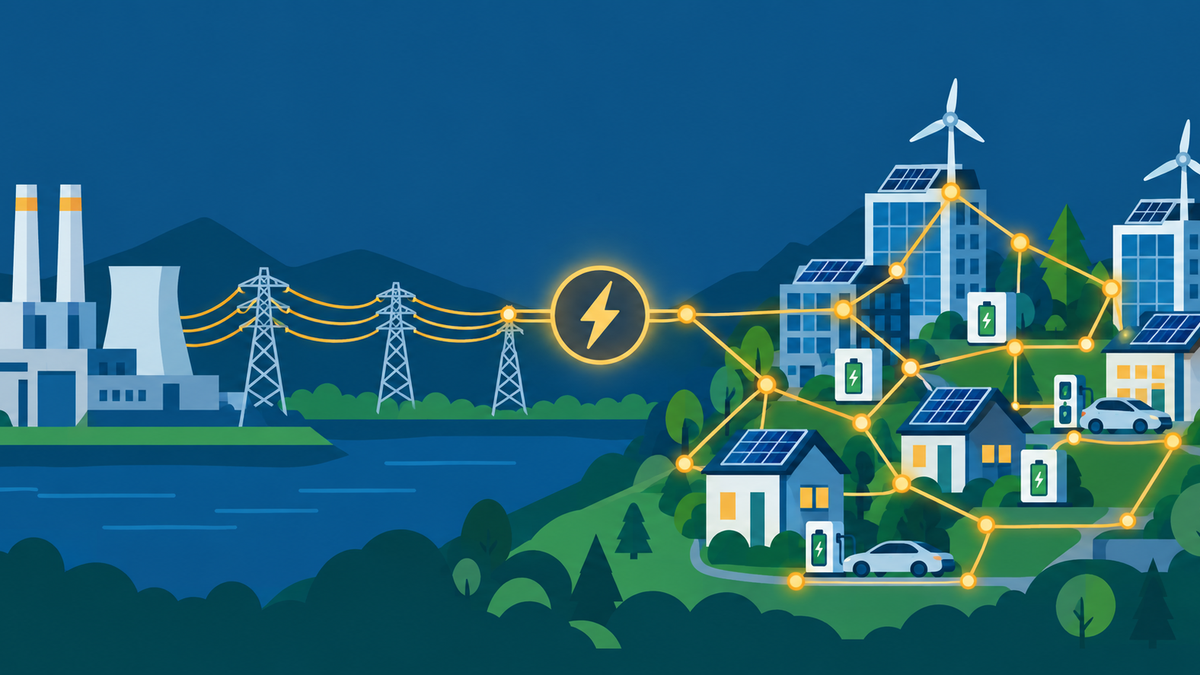
That idea aligns with the broader “energy cloud” concept: the grid is shifting from one-way power flow toward a decentralized network that coordinates distributed resources, demand response, efficiency, storage, and software-enabled control.
VPPs sit directly in that transition. They combine many assets so they can act like a dispatchable resource during high-value windows: peak demand, grid emergencies, price spikes, or local congestion. Their value depends on predictability, measurement, communications, customer permissions, and the ability to perform when called.
The overlooked side of VPP capacity: flexible load
Many VPP conversations focus on batteries and solar exports. Those are important, but load flexibility can be just as operationally useful. A kilowatt not consumed during a peak interval can reduce grid stress in much the same way as a kilowatt supplied from a distributed battery, provided the reduction is measurable and dependable.
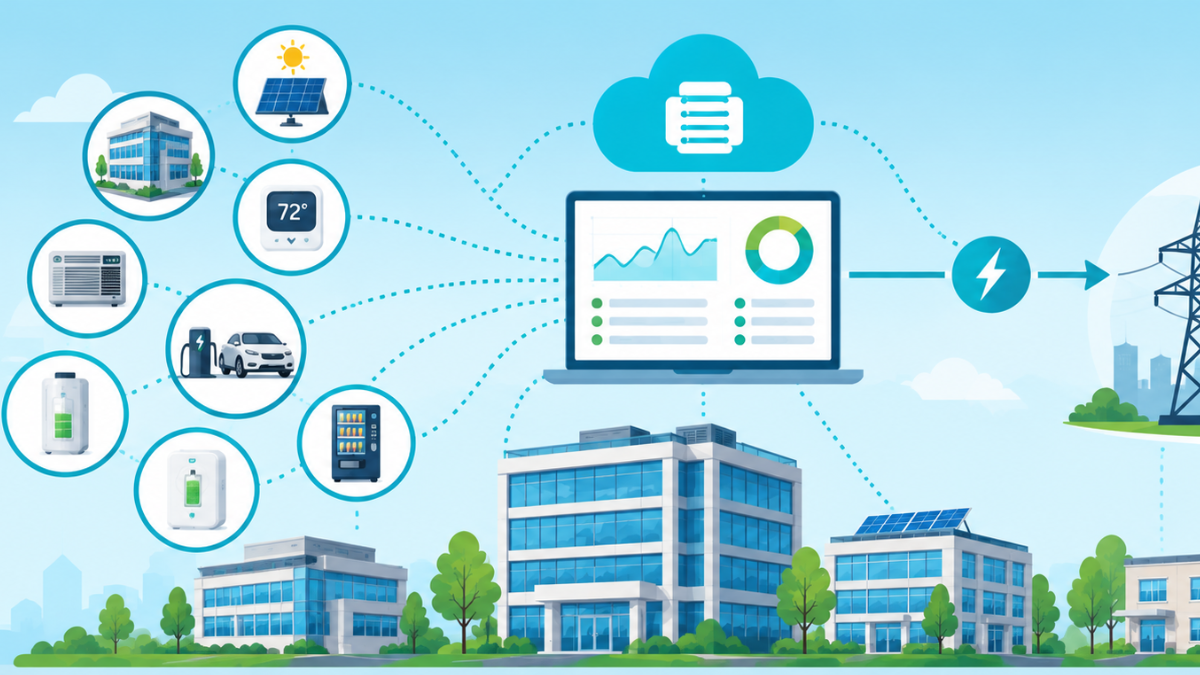
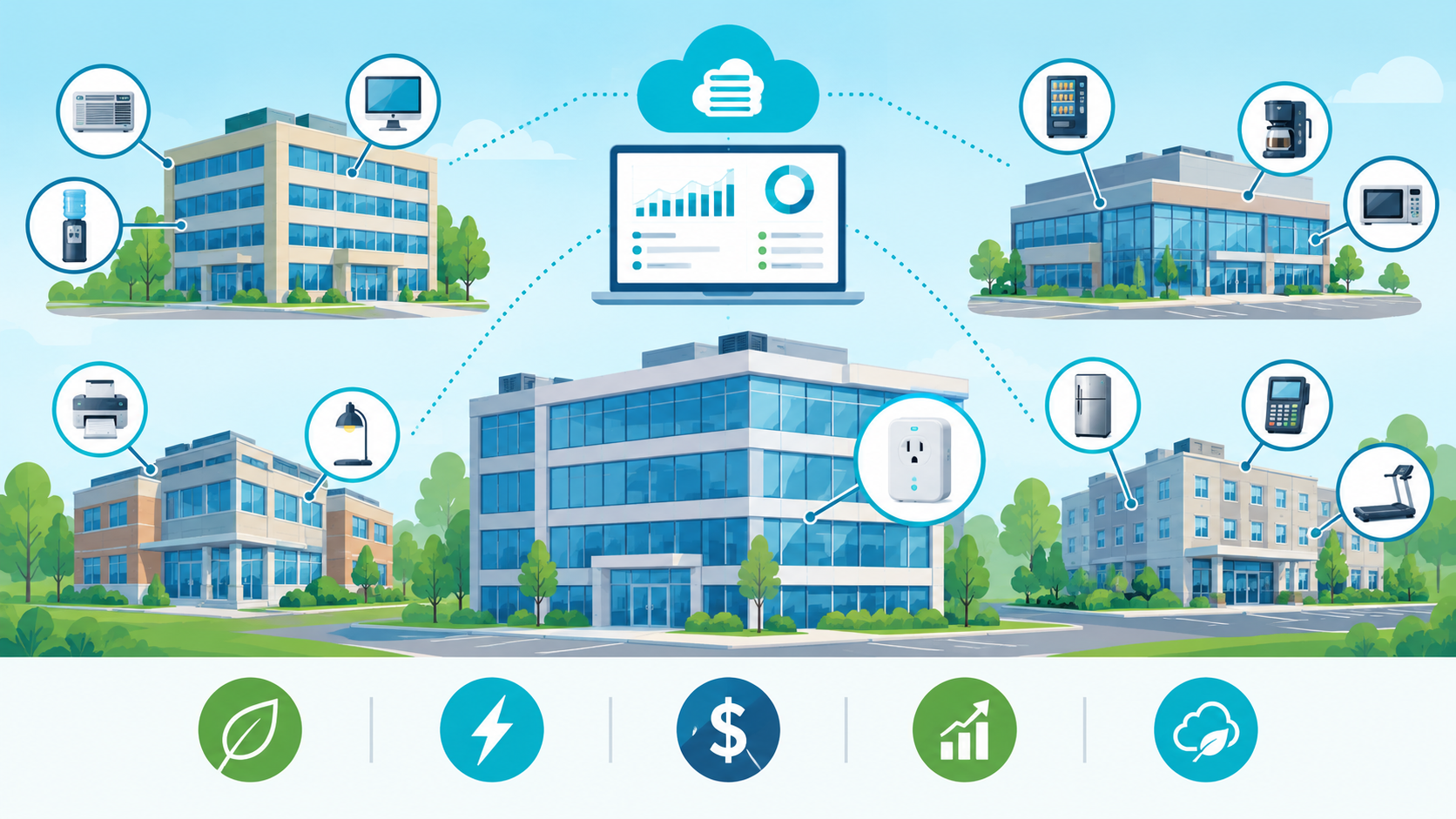
Commercial buildings are especially interesting because they contain many devices that are small individually but meaningful when aggregated across a building, campus, portfolio, or utility territory. Examples include window A/C units, PTACs, vending machines, water coolers, dehumidifiers, air purifiers, plug-in heaters, office equipment, refrigeration equipment, TVs, monitors, and other appliance-level loads.
In a deployment trial, BOSS Controls and partners used smart plugs in municipal, university, and commercial facilities to measure and control devices such as window air conditioners, vending machines, water coolers, water fountains, and coffee pots. The study also described centralized monitoring and control as a foundation for demand response and peak load management.
The key VPP lesson: before a load can become a grid resource, it must become visible, controllable, and verifiable.
What makes a load VPP-ready?
A flexible load is not automatically a VPP asset. It needs several operational characteristics:
1. Clear control logic. Operators need to know when a device can be turned off, cycled, or adjusted without harming comfort, safety, productivity, or equipment performance.
2. Measurement and baselines. Savings and load reductions must be compared against a credible baseline. Device-level data can help determine whether a control event actually delivered capacity.
3. Aggregation. Small devices become valuable when grouped by building, location, equipment type, schedule, or program rules.
4. Secure communications. The communications-focused Energy Cloud material stresses that two-way energy flows and automation depend on robust connectivity.
5. Customer and operational boundaries. Not every load should be curtailed at every moment. A good program respects occupant needs, business hours, seasonal patterns, and facility priorities.
This is where appliance-level platforms such as BOSS SmartEdge can be relevant without making the discussion product-centric: an architecture for connecting plug-in appliances to a secure platform, grouping them by building or device type, scheduling them, measuring energy use and demand, and supporting demand response. In VPP terms, that is the pathway from unmanaged load to dispatchable flexibility.
The operational tradeoffs
VPPs are powerful, but they are not magic. Flexible load is usually time-limited. A building can delay or reduce some consumption, but not eliminate all needs indefinitely. Some assets are seasonal, such as air conditioning loads. Others may have narrow windows where curtailment is acceptable.
There is also a portfolio management challenge. A VPP operator has to understand which loads are available, how much reduction is likely, how long it can last, and what rebound effects may occur afterward.
The best programs therefore start with energy management fundamentals: identify waste, schedule loads around occupancy, measure results, and build confidence before layering on grid dispatch. In many buildings, the first value is operational efficiency. The VPP value comes later, once connected loads can be coordinated across many sites.
From building savings to grid flexibility
The most practical view of VPPs is evolutionary. A facility does not need to become a miniature power plant overnight. It can begin by reducing after-hours waste and improving visibility into devices that were previously ignored. Then it can use the same measurement and control foundation for demand response events. Over time, aggregated portfolios of buildings can support more sophisticated VPP programs.
Flexible plug loads will not replace generation, transmission, storage, or efficiency. But they can become one useful layer in a broader capacity strategy, especially because many of these loads are already installed, already consuming electricity, and already hiding in plain sight.
Key takeaways
- A VPP is an aggregated, controllable portfolio, not a single device or building.
- Flexible load can support the grid when reductions are measurable, reliable, and operationally acceptable.
- Commercial plug loads are often overlooked because they are small individually, but they can become meaningful at portfolio scale.
- Measurement, secure communications, customer permissions, and baseline quality are essential to VPP performance.
- The most durable path starts with practical building energy savings, then extends into demand response and broader grid-interactive programs.