
Quick Summary
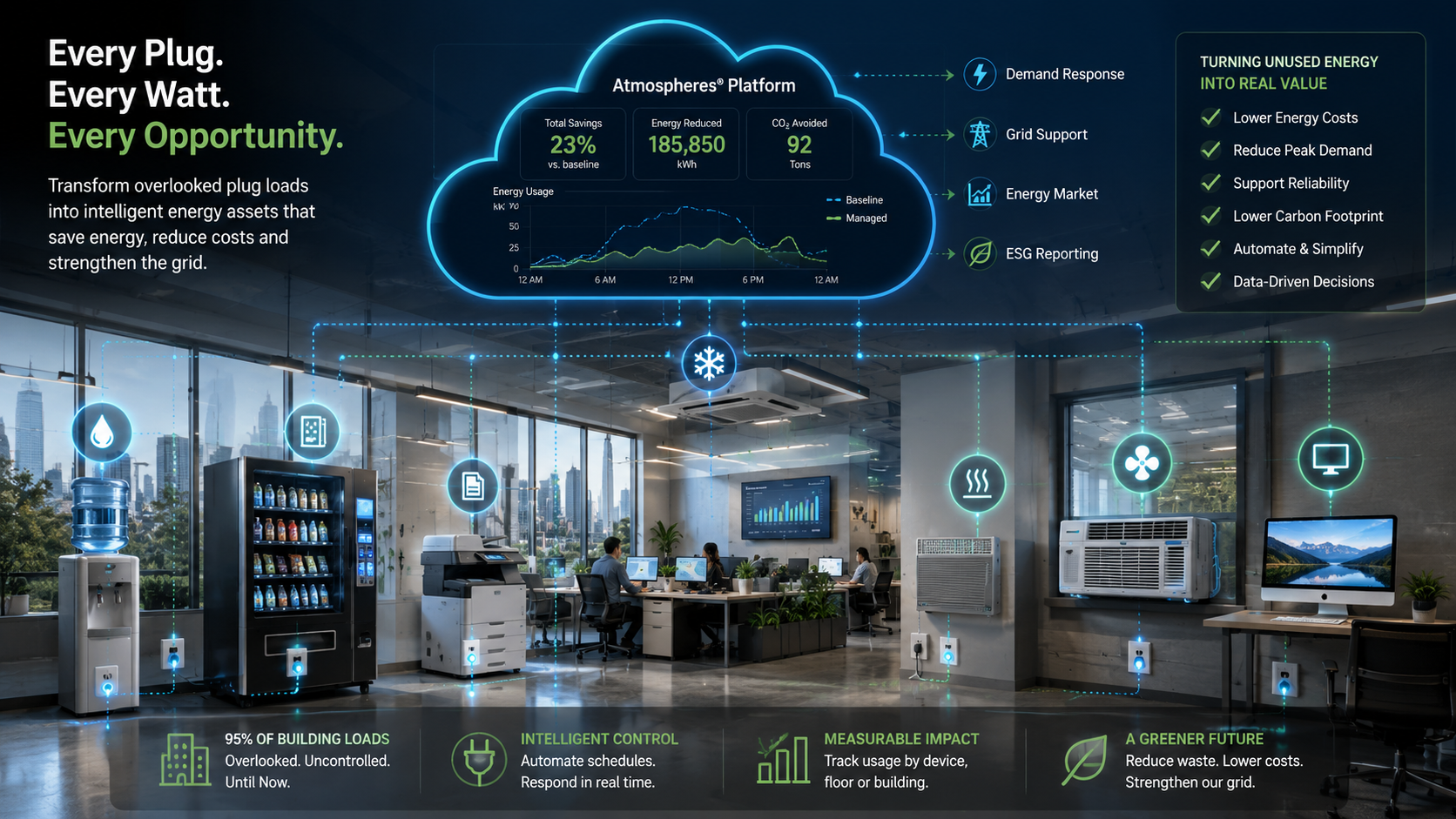
Plug loads, the appliances and devices connected to building receptacles,often sit outside traditional building automation. Yet they can represent a meaningful share of commercial electricity use when devices run overnight, on weekends, during holidays, or when spaces are unoccupied. BOSS helps address this gap by making plug-in appliances visible, schedulable, measurable, and controllable through appliance-level smart load control and the
Atmospheres® platform.
For facility teams, the opportunity is practical: start with existing equipment, measure baseline usage, apply schedules or controls, verify savings, and expand where the data supports it.
Why plug loads deserve more attention
Most energy strategies begin with large systems: lighting, HVAC, building automation, and mechanical upgrades. Those are important, but they can leave an important category unmanaged: distributed plug-in devices across offices, classrooms, public buildings, stadiums, campuses, and older commercial spaces.
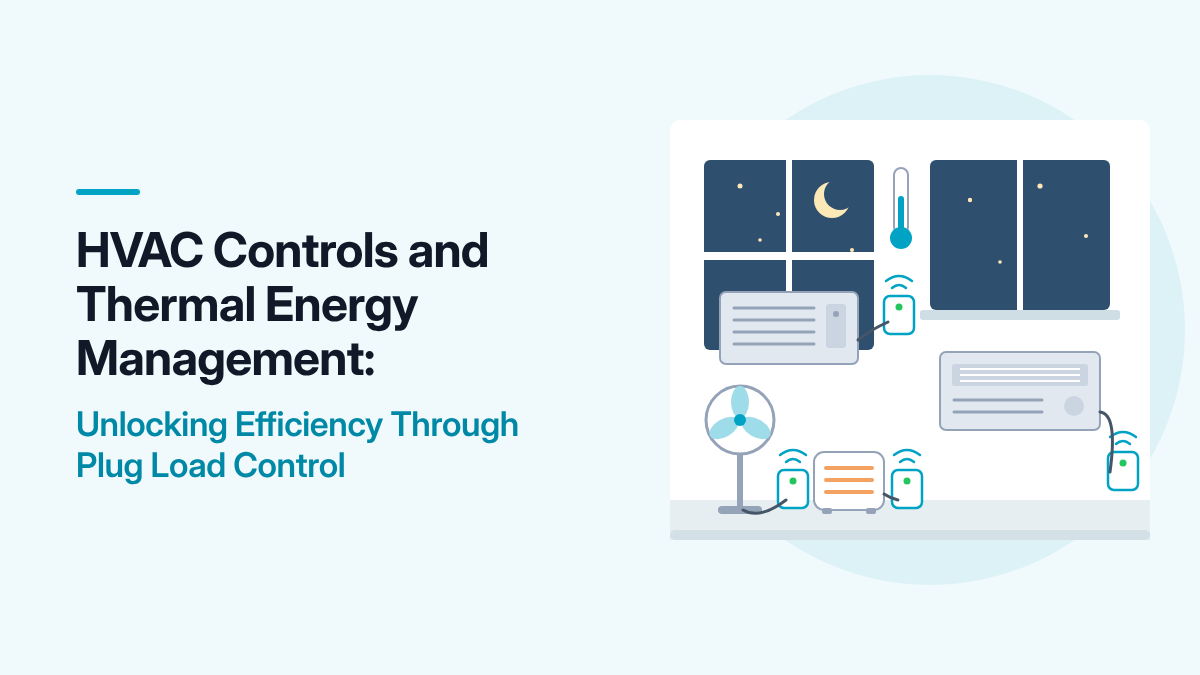
These loads include window A/C units, PTACs, vending machines, water coolers and fountains, coffee equipment, copiers, printers, monitors, dehumidifiers, air purifiers, plug-in heaters, refrigeration equipment, and other appliances. Individually, many seem too small to prioritize. Across a building or portfolio, however, they can become a significant operational cost, especially when they continue drawing power on a 24/7 basis.
Plug loads account for more than 16% of commercial building electricity consumption and are expected to grow as other end uses become more efficient and more electric devices are added. The plug-in devices are often left on when not in use, draw standby power, or continue consuming power even when switched off.
That is the core plug-load problem: the waste is distributed, easy to overlook, and hard to manage manually.
The BOSS approach: measure, schedule, control, verify
BOSS focuses on the appliance level. Instead of requiring replacement of major building systems, BOSS connects targeted loads so facility teams can monitor consumption, schedule operating hours, group devices, and control them remotely.
The workflow is straightforward:
- Assess the opportunity. Identify candidate devices, operating schedules, utility costs, and unoccupied periods.
- Measure the baseline. Establish a monitoring period before controls are applied, so actual device energy use can be understood.
- Apply schedules and controls. Turn devices off during evenings, weekends, holidays, and other low-use windows.
- Verify results. Use device-level energy data for savings validation, reporting, and future optimization.
- Expand where the data supports it. Prioritize devices with high energy use, long run times, or predictable off-hours.
What real deployments show
The BOSS commercial plug-load case studies show that smart plugs were installed on devices such as copiers, printers, water coolers, water fountains, coffee pots, and vending machines. After a baseline period of at least 14 days, schedules were implemented to turn devices off during unoccupied periods, typically before 6:00 AM, after 6:00 PM, and on weekends. The results include energy and electricity expenditure reductions of over 53% for the targeted plug loads.
The case studies also highlight several important lessons. Schedule-based shutdown during unoccupied periods produced savings in excess of 50% for the controlled loads. Equipment with higher energy consumption, such as soda vending machines, delivered the largest total savings benefit. Simple paybacks of less than one year for smart plug installations were achieved, with payback as short as four months for high-consuming equipment.
Education facilities are a strong use case because schools and campuses often have long vacancy periods, dynamic schedules, and distributed appliances. In these settings, centralized scheduling and grouping are useful because manually managing hundreds of plugs is impractical.
Why visibility is as valuable as control
One of the most useful outcomes of plug-load management is the data. Facility teams can see which devices consume the most energy, which loads run outside expected hours, and which equipment may be worth replacing, relocating, or rescheduling.
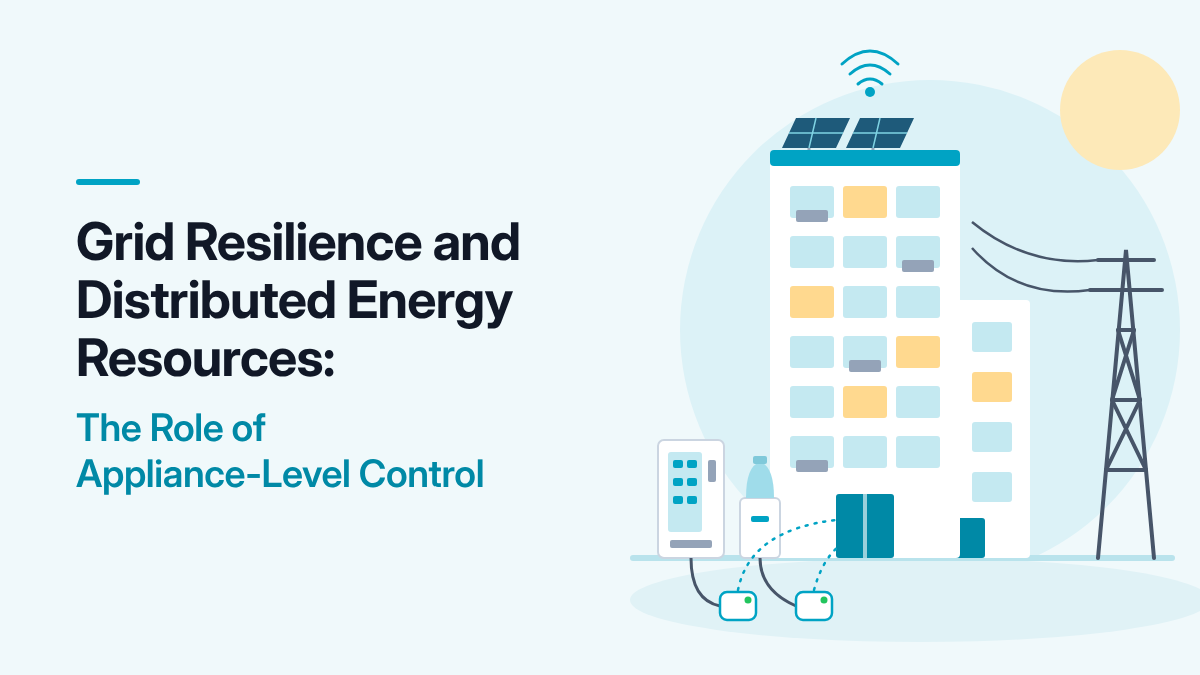
BOSS Atmospheres® provides centralized control and device-level reporting. Teams can group devices by building, floor, room, equipment type, or custom category. That makes it possible to adjust schedules across many devices at once, respond to seasonal changes, and maintain control as building use changes.
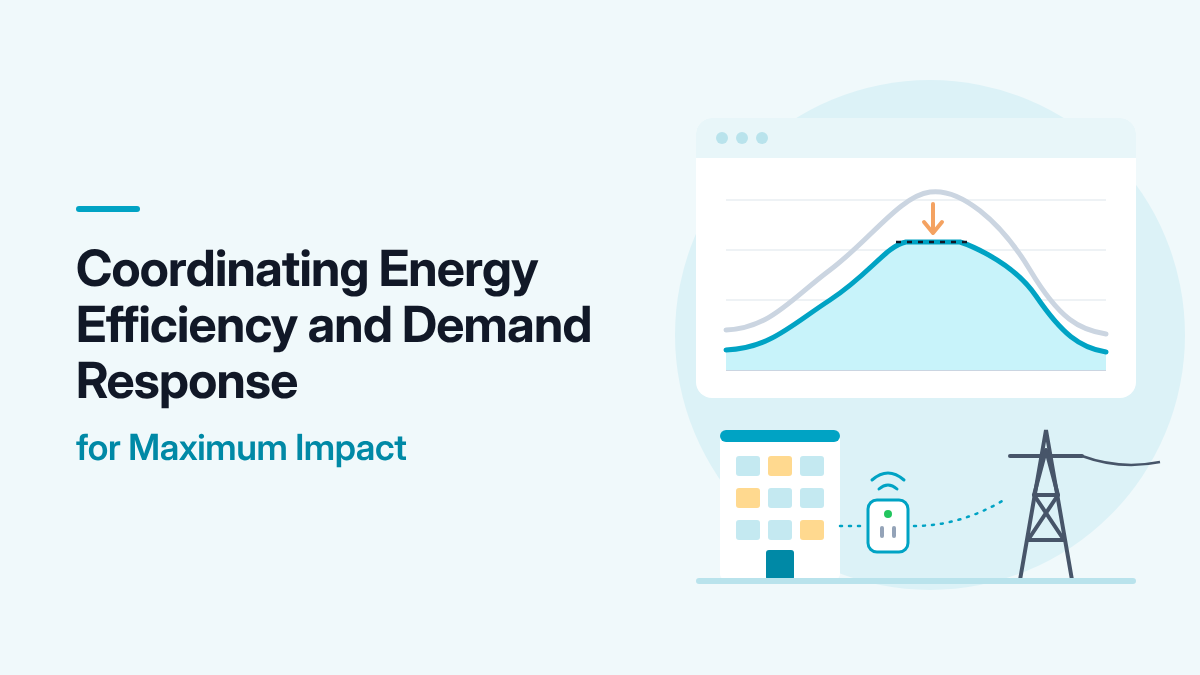
This is also what makes plug-load savings a bridge to broader grid value. Once devices are connected, measurable, and controllable, the same infrastructure can support demand response, peak load management, and future virtual power plant participation. But the starting point is immediate and practical: reduce waste from the loads already inside the building.
A practical place to start
The best candidates for plug-load savings usually draw meaningful power, operate for many hours, and have predictable periods when they do not need to run. Vending machines, water coolers, window A/C units, PTACs, office equipment, and plug-in heaters are common examples. BOSS can begin with a focused assessment, prove savings on selected loads, and then expand based on measured results. This is a practical path for existing buildings where major infrastructure replacement may be costly or slow.
Key takeaways
- Plug loads are a growing and often unmanaged source of commercial building electricity use.
- Many appliances run during unoccupied hours because they are outside traditional building automation.
- BOSS makes plug-in devices visible, measurable, schedulable, and controllable through appliance-level load control and Atmospheres®.
- Targeted plug-load savings in excess of 50% were achieved from schedule-based shutdown during unoccupied periods.
The highest-value opportunities are typically high-consuming devices with long run times and predictable off-hours. - Device-level measurement helps verify savings, improve operations, and support future demand response or grid-interactive programs.
- Plug-load energy savings are a practical first step toward making existing buildings more efficient, flexible, and valuable.