
Quick summary
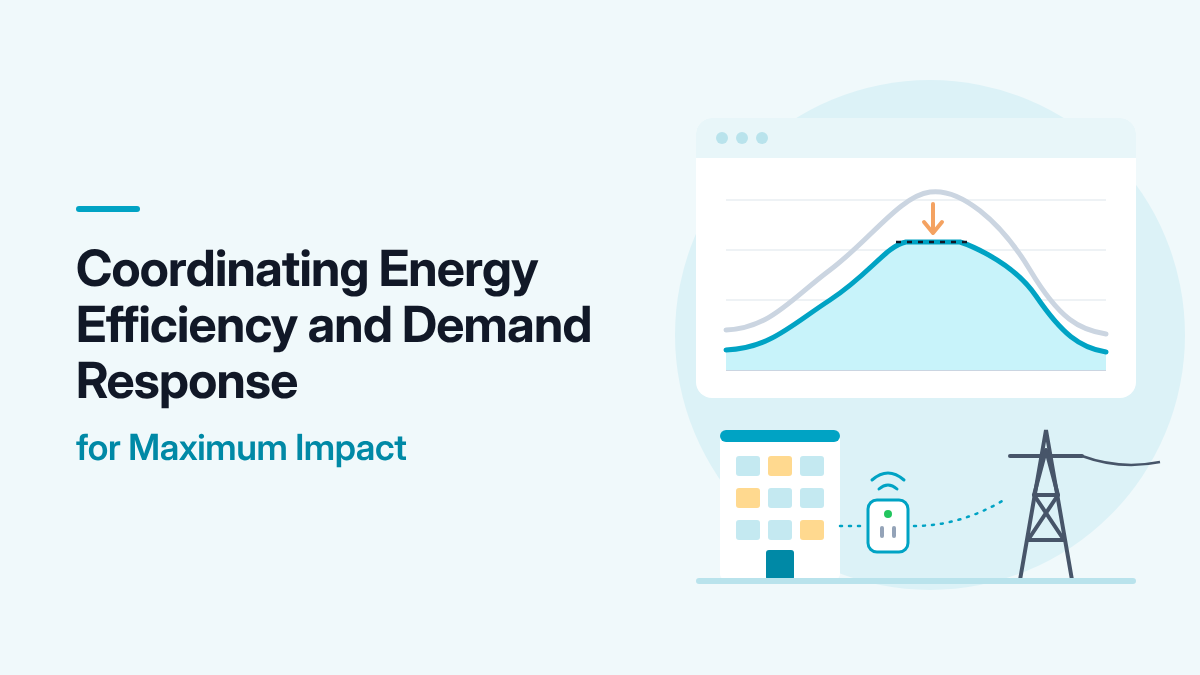
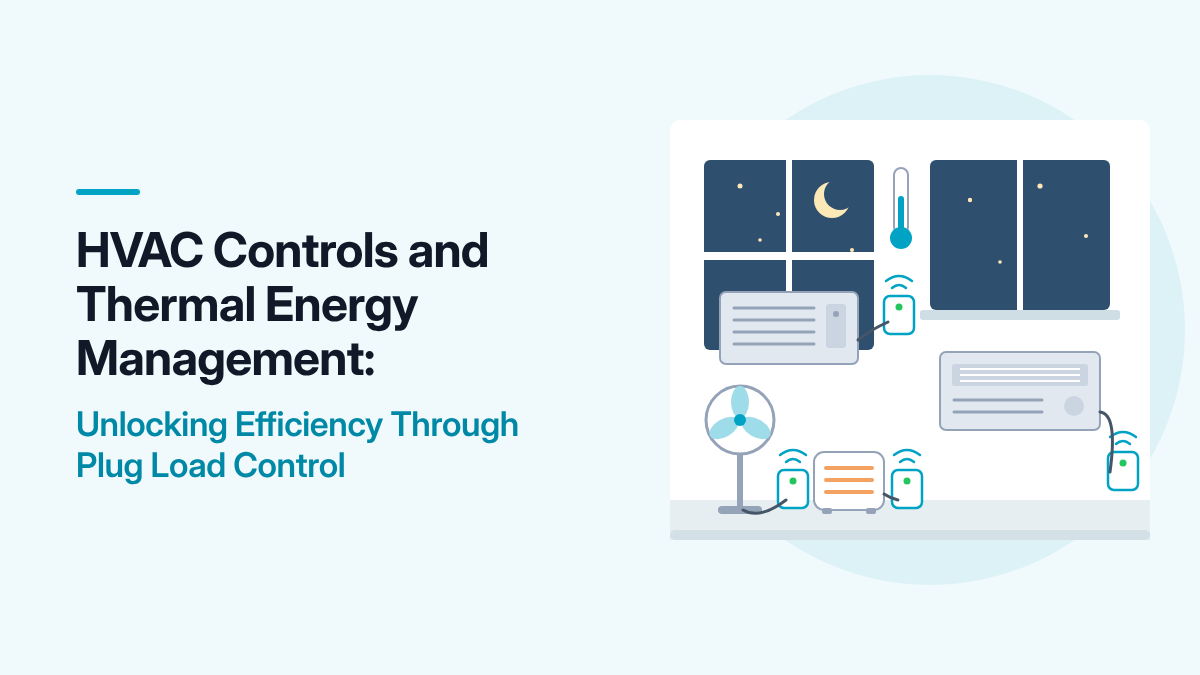
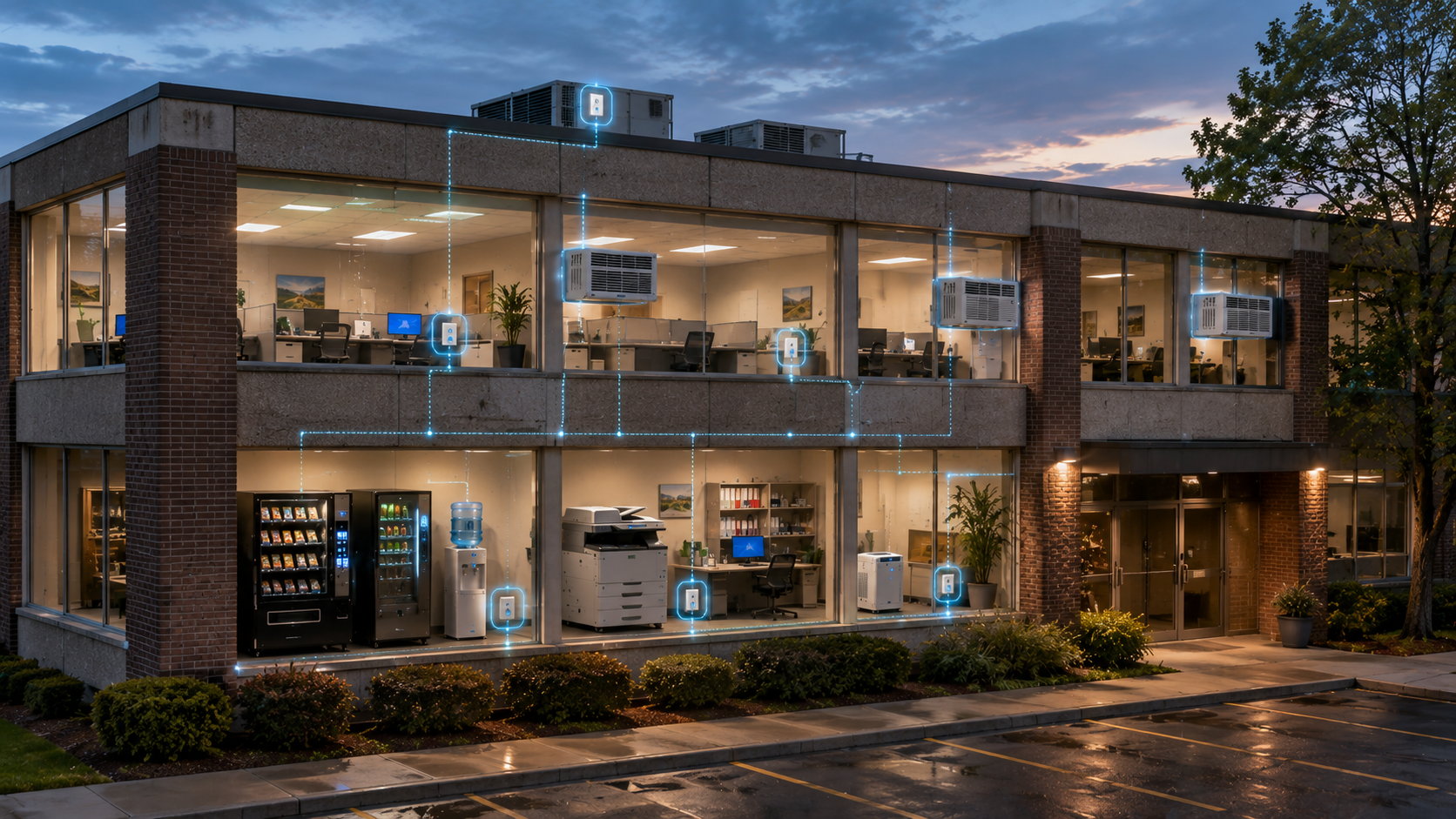
Demand response is often discussed as a grid program, but its practical success depends on what happens inside buildings. Commercial facilities contain many loads that are small individually but meaningful in aggregate: window air conditioners, PTACs, vending machines, water coolers, dehumidifiers, air purifiers, office equipment, and other plug-in devices. When these loads can be measured, grouped, scheduled, and temporarily reduced, buildings gain a practical tool for lowering demand during peak periods without relying only on major HVAC or lighting changes.
The opportunity is not simply to “turn things off.” Effective demand response requires selectivity, measurement, occupant awareness, and clear rules about which loads can be adjusted, for how long, and under what conditions.
Why demand response matters now
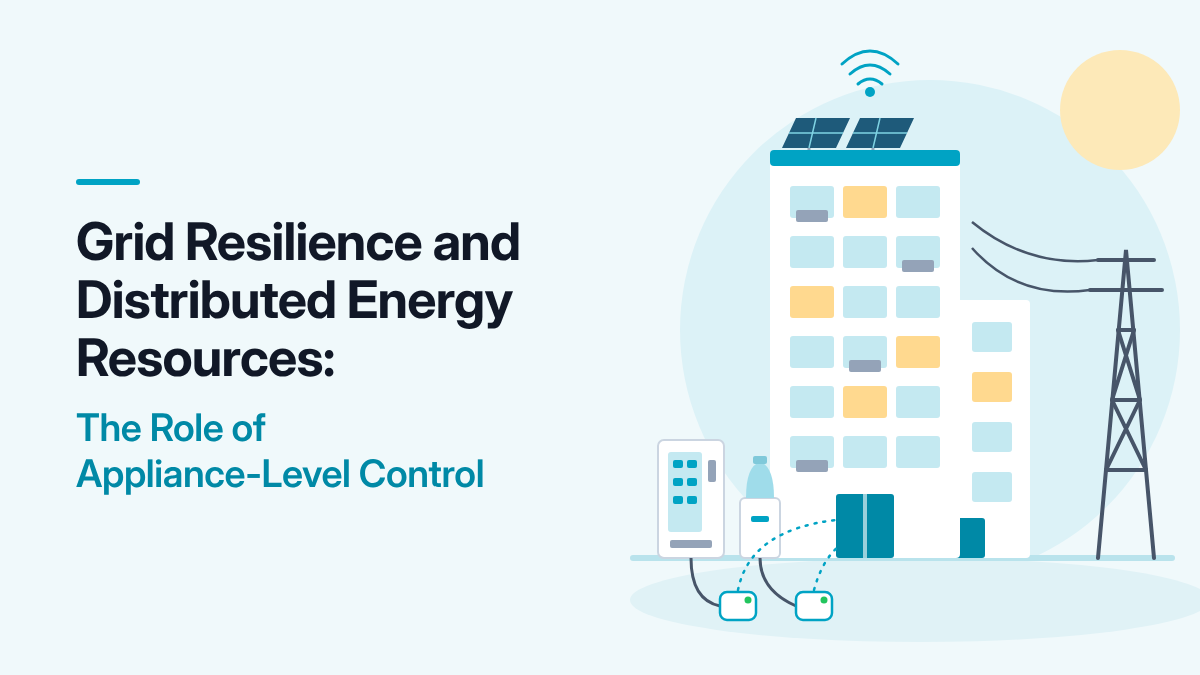
Electric systems are under pressure from electrification, data center growth, extreme weather, and aging infrastructure. Utilities and grid operators increasingly need flexible demand-side resources that can reduce load during stressed hours. Traditional demand response programs have often focused on large industrial processes, centralized building systems, or broad curtailment strategies. Those resources still matter, but many buildings also have a less visible layer of controllable demand sitting below the building automation system.
Appliances or plug-load devices often run after hours, on weekends, during holidays, or when spaces are unoccupied. The U.S. Department of Energy estimates that plug loads account for roughly 25% of electricity used in commercial buildings. Whether a specific facility is above or below that figure, the operational point is clear: unmanaged plug loads can be large enough to deserve attention.
How building-level demand response works
At the facility level, demand response usually follows a sequence:
1. Identify controllable loads. Facility teams determine which devices can be adjusted without unacceptable disruption. Examples may include vending machines, water coolers, plug-in HVAC units in noncritical spaces, dehumidifiers, air purifiers, or equipment in vacant areas.
2. Measure baseline behavior. Energy data helps establish normal consumption and demand patterns. Without a baseline, it is difficult to know whether a response event actually reduced load.
3. Group loads by operational logic. A useful strategy may group devices by building, floor, room, equipment type, occupancy pattern, or tenant impact.
4. Define event rules. Some loads can be turned off; others may be cycled; some should be excluded entirely. Duration, override rights, temperature limits, and user experience all matter.
5. Dispatch and verify. During an event, selected loads are reduced and the resulting demand reduction is measured for reporting, incentives, and future optimization.
This is where appliance-level controls can complement traditional building automation. BOSS provides centralized control, scheduling, device-level energy data, grouping, monitoring, and demand response reporting through the Atmospheres platform. This is an example of the infrastructure demand response needs: visibility, secure connectivity, dispatch capability, and measurement.
The operational value is flexibility, not blunt curtailment
The best demand response programs avoid treating every load the same. A water cooler in a vacant hallway, a vending machine in a closed building, and a window A/C unit serving an occupied office have different operational implications. Good programs distinguish between discretionary, deferrable, and sensitive loads.
That selectivity can reduce the perceived burden on occupants, make participation more repeatable, and allow facility teams to start with lower-risk loads before expanding. It also supports a more nuanced relationship with the grid: rather than asking buildings to make disruptive cuts, utilities can access many small adjustments that add up across a campus, city portfolio, or service territory.
In a mid-Atlantic region city, BOSS and partners installed smart plugs across municipal, university, and commercial facilities on devices such as window air conditioners, vending machines, water coolers, coffee equipment, and similar plug loads. The project was designed to demonstrate plug-load measurement and control, rapid energy savings, and the ability to aggregate plug loads across multiple buildings for demand response events. Theconnected smart plugs supported automated demand response down to the plug-load level with measurement and verification.
Measurement changes the conversation
Demand response depends on trust. Building owners need confidence that participation will not undermine operations. Utilities need confidence that a promised reduction actually occurred. Energy managers need data to decide which loads are worth controlling.
Device-level measurement helps answer those questions. It can show which appliances consume the most energy, which operate during unoccupied periods, and which are likely to provide reliable reduction during an event. From the above example, the schedule-based shutdown during unoccupied periods produced energy savings in excess of 50% for targeted plug loads, with simple paybacks under one year in that study. Those results should not be generalized to every building or device, but they illustrate why baseline data and post-control verification are central to a credible program.
Practical tradeoffs
Demand response is not free capacity. It requires planning, controls, communications, cybersecurity, program rules, and attention to occupant experience. Overly aggressive strategies can create complaints or reduce confidence. Under-instrumented strategies can make reductions difficult to prove.
The practical path is usually incremental. Start with visible, low-risk loads. Measure before and after. Use schedules to eliminate obvious waste. Then evaluate which loads can participate in utility events, peak-demand management, or broader virtual power plant programs. For many existing buildings, this approach may be more achievable than waiting for a full controls overhaul.
Key takeaways
- Demand response is an operational strategy inside buildings, not only a utility program.
- Plug loads and appliance-level devices can be meaningful when aggregated across facilities.
- Measurement, grouping, dispatch rules, and verification are essential for credible results.
- The best strategies prioritize selective control over broad, disruptive curtailment.
- Case studies show how plug-load controls have supported energy savings, peak load management, and automated demand response at the device level.
- A practical demand response roadmap starts with low-risk controllable loads and expands based on measured performance.