
Overview
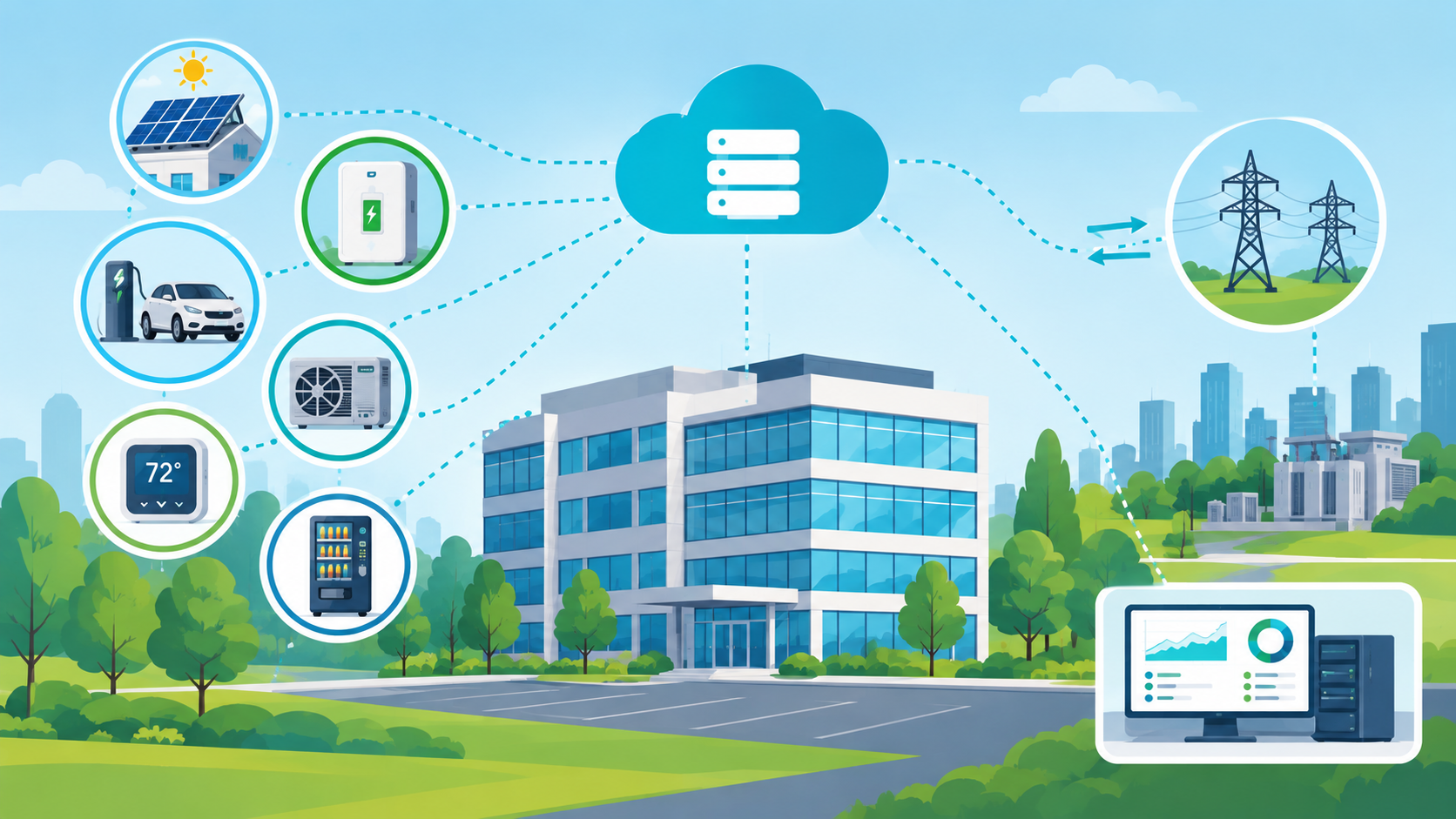
Grid resilience and distributed energy resources (DER) are critical concepts for modern energy management, particularly for extreme weather events and as the grid faces growing stress from electrification, data centers, and decentralized generation. This article explores how appliance-level control technologies, exemplified by solutions like BOSS Controls, contribute to grid resilience by transforming unmanaged plug-in loads into grid-interactive assets. Drawing from case studies in municipal, educational, and commercial settings, we examine the technical mechanisms, financial benefits, and operational advantages of integrating appliance-level control into broader demand response and virtual power plant strategies. Key takeaways highlight the measurable impact on energy savings, demand response participation, and grid support, providing actionable insights for facility and energy managers seeking to enhance building resilience while reducing operational costs.
Introduction
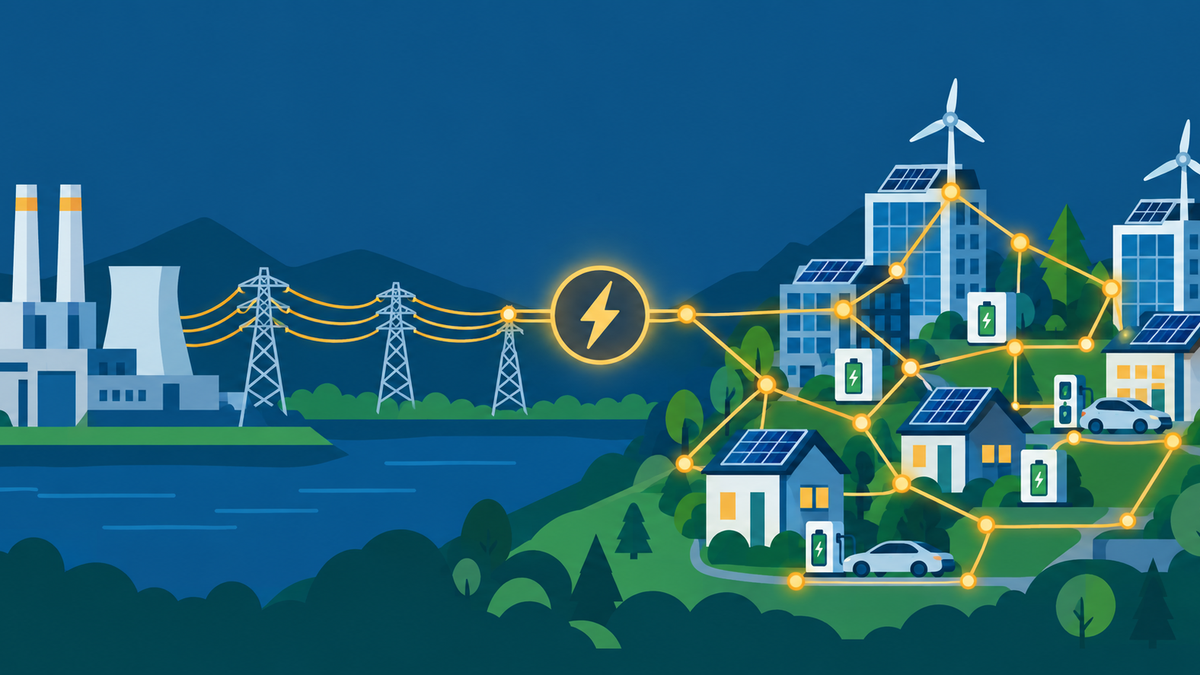
The modern electric grid faces unprecedented challenges. Rapid growth of high-consumption data centers, extreme weather events, cybersecurity threats, aging infrastructure, and the integration of renewable energy sources and electric vehicles are testing the limits of traditional centralized power systems. Data centers alone consumed about 4.4% of U.S. electricity in 2023, and Lawrence Berkeley National Laboratory projects that share could reach 6.7% to 12% by 2028 [1]. Simultaneously, the rise of distributed energy resources (DER), including rooftop solar, battery storage, combined heat and power, and controllable loads, offers a pathway to a more flexible, resilient grid. Grid resilience, defined in federal policy as the ability to prepare for and adapt to changing conditions and to withstand and recover rapidly from disruptions [2], increasingly depends on leveraging these distributed resources at the grid edge. Within buildings, a significant portion of DER potential lies in overlooked plug-in appliances and plug loads, which collectively represent a substantial but often untapped source of grid-interactive capacity.
Understanding Grid Resilience and DER
Grid resilience encompasses multiple dimensions: physical robustness against extreme weather, cybersecurity protection for digital control systems, operational flexibility to balance supply and demand, and adaptive capacity to reconfigure during disturbances. DER enhances resilience by providing localized generation, storage, and load flexibility that can island critical facilities, reduce transmission losses, and provide ancillary services like frequency regulation and voltage support. The U.S. Department of Energy (DOE) emphasizes that grid-interactive efficient buildings (GEBs), which combine energy efficiency, demand flexibility, and smart technologies, are pivotal for grid resilience, enabling buildings to actively support grid operations rather than merely consume power. DOE’s national roadmap sets a goal of tripling the energy efficiency and demand flexibility of the buildings sector by 2030 relative to 2020 levels [3].
Plug-in appliances and plug loads, though individually small, become significant when aggregated. The National Renewable Energy Laboratory (NREL) reports that plug and process loads account for roughly one-third of U.S. commercial building electricity consumption, and that their share is growing as other building systems become more efficient [4]. Traditionally managed outside building automation systems (BAS), these loads have been difficult to monitor and control at scale. However, emerging technologies now enable appliance-level control, transforming these devices into measurable, schedulable, and dispatchable grid assets.
The Role of Appliance-Level Control in Grid Resilience
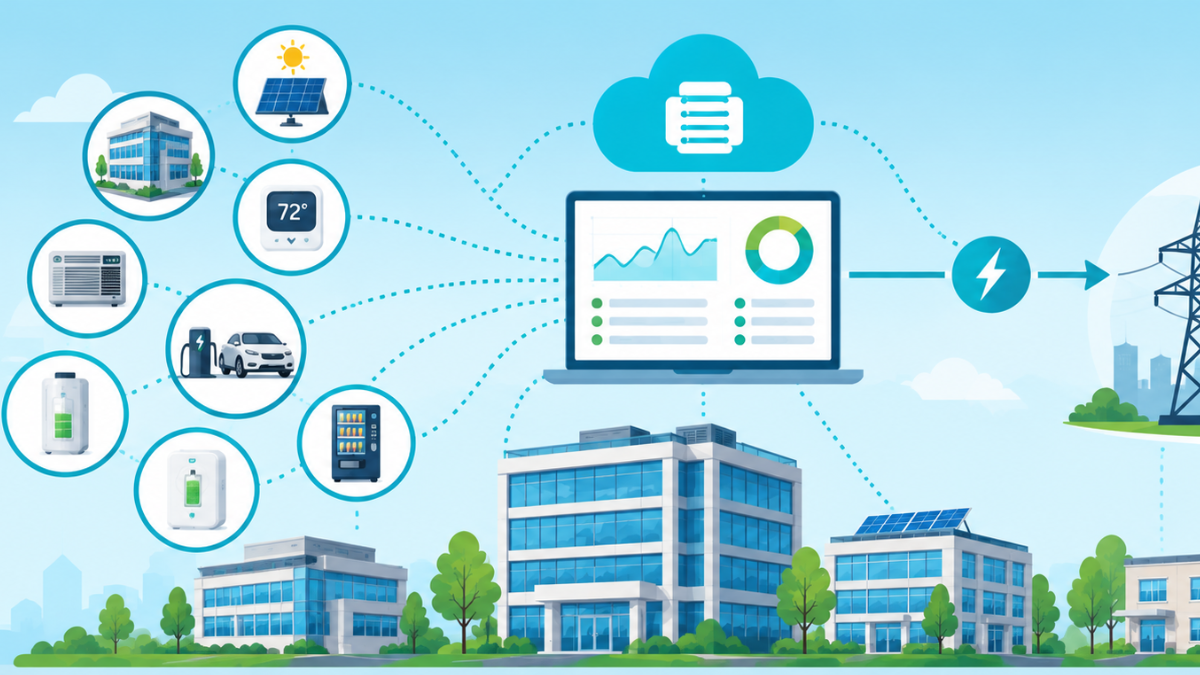
Appliance-level control systems address the historical blind spot of plug loads by providing:
- Granular visibility: Real-time measurement of energy consumption, power demand, and operational status at the device level.
- Remote controllability: Ability to schedule, adjust, or shed loads based on grid signals, occupancy, or price signals.
- Aggregation capability: Combining thousands of individual devices across buildings or portfolios to create meaningful grid-responsive capacity.
- Measurement and verification (M&V): Documenting load changes for demand response programs, utility incentives, and internal efficiency tracking.
These capabilities directly support grid resilience functions. During peak demand events, aggregated appliance-level curtailment can reduce stress on transmission and distribution infrastructure. During grid emergencies, coordinated load reductions across many devices can help operators avoid more disruptive measures; faster services such as frequency response, however, require response times and telemetry that are set by program rules and may call for local, rather than cloud-only, control. Furthermore, by enabling participation in demand response and virtual power plant (VPP) programs, appliance-level control creates economic incentives that encourage broader adoption, thereby increasing the available resilience resource over time.
Case Study Evidence: Appliance-Level Control in Action
Several real-world deployments, as reported by BOSS Controls, demonstrate the tangible benefits of appliance-level control for grid resilience and building operations.
Municipal Deployment: Regional Collaboration
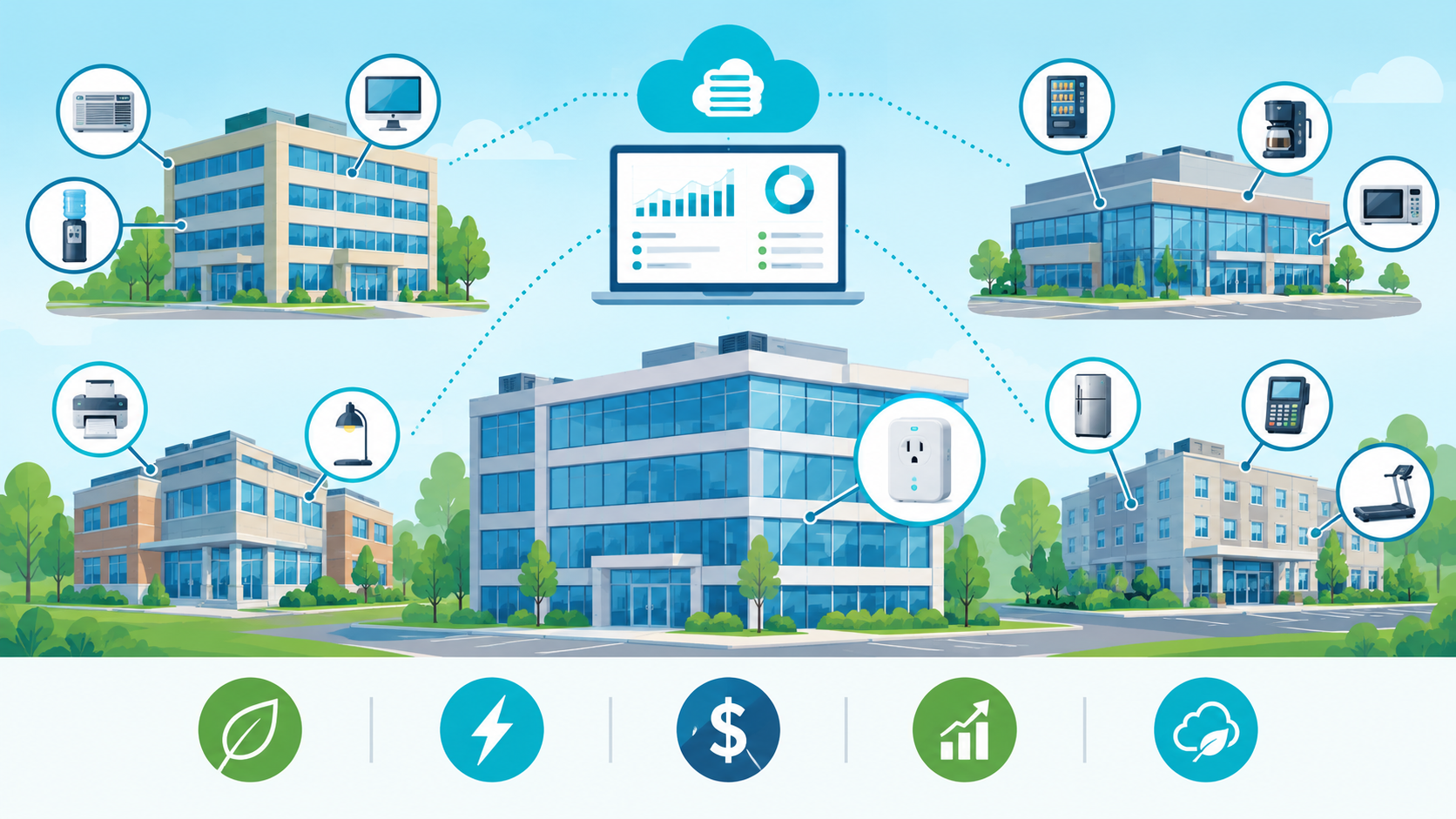
In the Mid-Atlantic region, a large city partnered with a well-known local university and the city’s largest office building to deploy BOSS Controls smart plugs across municipal, university, and commercial facilities as part of the 2015 Global City Teams Challenge (GCTC), a smart-city initiative led by the National Institute of Standards and Technology (NIST) and US Ignite. The project targeted plug loads including water coolers, vending machines, coffee pots, snack machines, and window air conditioning units. BOSS Controls reports the following results:
- Substantial energy savings: Schedule-based shutdown during unoccupied periods achieved energy savings in excess of 50% for targeted plug loads, with aggregate savings reaching 53% across participating facilities.
- Demand response value: Using 2015/16 PJM Interconnection demand response program data, BOSS Controls estimated that each smart plug could contribute an average of $9.10 in annual value to the facility through demand response participation. In the PJM region, end-use customers are compensated, through PJM members known as Curtailment Service Providers, for reducing load when PJM calls on them during high prices or reliability events [5].
- Short payback period: Simple payback for all installations was under one year, with high-consuming equipment achieving payback in as little as four months.
- Operational benefits: Integrated measurement and real-time reporting enabled rapid feedback on energy savings, while cloud-based control supported automated demand response events down to the plug load level with measurement verification.
This deployment demonstrated that appliance-level control could rapidly deliver energy and cost savings while providing measurable grid services, supporting its role in municipal resilience strategies.
Educational Sector: Multi-State Pilot
A pilot program across educational facilities in contrasting climates (University of Florida, a Florida high school, an Illinois middle school, and an Illinois high school) targeted common plug loads such as vending machines, refrigerated water fountains, wall-mounted televisions, plasma/LCD TVs, electric space heaters, window air conditioning units, coffee makers, and desktop computers. BOSS Controls reports the following results:
- Significant kWh savings: Annual savings per device type ranged from 290 kWh (coffee pot) to 2,190 kWh (chilled water fountain), with window air conditioning units saving 1,370 kWh annually in the tested climates.
- Strong return on investment (ROI): Many smaller devices demonstrated payback in 12 months or less, while heavy-consuming appliances like HVAC units and water fountains achieved simple paybacks in 4–6 months.
- Operational flexibility: Staff gained the ability to remotely schedule and control plugs from anywhere, adjust schedules based on real-time operational data, and prioritize equipment for control, service, or replacement.
- Baseline comparison: A mirrored “scheduled” period was compared to an uncontrolled baseline, with estimates adjusted for typical manual energy management, so that results reflected the impact of the intervention.
This educational case study underscored the versatility of appliance-level control across diverse building types and climates, showing that even facilities with long vacancy periods and dynamic schedules could achieve rapid ROI and meaningful load management.
Commercial Office Buildings: New York City Legacy A/C Loads
In New York City, BOSS Controls connected legacy window air conditioning loads across older office space using grid-interactive smart plugs for both 120V and 220V units. BOSS Controls reports the following results for the May–September season:
- Energy savings: 765 MWh reduced consumption.
- Demand response revenue: $114,730 to $125,700 earned from off-hours automation and grid event participation.
- Emissions reduction: 606 tons of CO2 avoided.
- Additional load under management: 481 kW of dispatchable capacity.
- Improved visibility: Real-time monitoring revealed operational patterns of legacy appliance operation.
This deployment exemplified how existing buildings could enhance grid resilience without major infrastructure upgrades, turning otherwise uncontrolled loads into measurable, controllable, and revenue-generating assets.
Stadiums and Entertainment Venues
Deployments at Xcel Energy Center (home of the Minnesota Wild) and Saint Paul RiverCentre in St. Paul, Minnesota, illustrate how appliance-level control can scale to large entertainment venues. BOSS Controls reports:
- Projected payback periods: For a stadium of approximately 18,500 seats with 750 devices, payback was projected at 12 months; for a 75,000-seat venue with 2,000 devices, payback shortened to 9 months due to economies of scale.
- Broad device coverage: Initial phases targeted televisions, monitors, and vending machines, with water coolers and concession equipment identified as additional candidates.
- Operational savings: Beyond energy, manpower hours saved from automated control represented a significant but often unquantified benefit.
- Environmental alignment: Deployments supported the venues’ sustainability programs, including LEED certification for existing buildings.
These results highlighted the applicability of appliance-level control to high-occupancy, variable-demand environments where traditional energy management strategies often fall short.
Policy and Regulatory Framework Supporting Appliance-Level Control
The adoption of appliance-level control is bolstered by evolving policies and regulations that recognize the value of distributed energy resources and demand flexibility. At the federal level, FERC Order No. 2222, issued on September 17, 2020, removes barriers for distributed energy resource aggregators to participate in regional wholesale electricity markets, enabling smaller resources to combine into aggregations as small as 100 kW and offer capacity, energy, and ancillary services [6]. Implementation is phased by region; in PJM, for example, DER aggregations are slated to enter the capacity market for the 2028/2029 delivery year and the energy and ancillary services markets in 2028 [6]. Once in effect, the order directly supports the business models of appliance-level control aggregators, allowing them to compete in wholesale markets and provide grid services previously reserved for large generators.
State-level initiatives further encourage adoption. California’s Self-Generation Incentive Program (SGIP) provides incentives for customer-sited energy storage and generation and requires participants to enroll in a qualified demand response program [7]; while it does not fund plug load controls directly, it reflects the state’s emphasis on dispatchable, behind-the-meter flexibility. New York’s Reforming the Energy Vision (REV) initiative promotes distributed energy resources and grid-edge solutions. More than 25 states have energy efficiency resource standards (EERS), which set long-term energy savings targets that utilities or program administrators must meet through customer efficiency programs [8]; plug load controls that reduce kWh consumption can contribute to those savings.
Utility and grid operator programs also play a critical role. Many utilities offer demand response incentives for smart thermostats and, in some territories, for plug load controls, recognizing the cost-effectiveness of load reduction compared to building new peaker plants. In the PJM region, demand response is compensated through Curtailment Service Providers [5], directly improving the economics of appliance-level control deployments. Additionally, building energy codes increasingly address plug loads. California’s Title 24, Part 6 requires that at least half of the 120V receptacles in offices and certain other spaces be automatically controlled, and the 2025 Energy Code, which applies to permit applications filed on or after January 1, 2026, extends controlled receptacle requirements to include response to demand response signals [9].
Despite these supportive policies, barriers remain. Awareness among facility managers about the availability and benefits of appliance-level control is still limited. Concerns about cybersecurity, data privacy, and integration with existing building management systems can slow adoption. Vendors, BOSS Controls among them, report addressing these concerns through secure communication protocols, local data processing options, and open APIs that facilitate integration with building automation systems. Education and outreach programs, often supported by utilities and energy efficiency organizations, are helping to close the knowledge gap.
Technical Mechanisms: How Appliance-Level Control Enables Grid Services
The technical foundation of appliance-level control systems like BOSS Controls involves several integrated layers:
- Smart plug hardware: Single-phase 120V (15A) or 220V (20A) controllers with surge protection, Wi-Fi connectivity (IEEE 802.11 b/g/n), and support for WPA/WPA2 security.
- Cloud platform (Atmospheres®): Provides centralized control, real-time power and energy metering (30-second intervals), scheduling, grouping by location/device/type, alerting, and API integration.
- Measurement and verification: Continuous collection of voltage, current, power, and energy data enables baselining, savings calculation, and performance tracking.
- Group control and automation: Devices can be grouped by building, floor, room, or user-defined category, allowing synchronized control actions across thousands of appliances.
- Secure connectivity: Designed for remote monitoring and control while minimizing exposure of energy devices to unnecessary cyber risks.
These mechanisms directly support grid-interactive functions. Cloud commands can adjust loads within seconds to minutes, which suits most demand response events; faster ancillary services such as frequency regulation typically require local control and telemetry that meet specific program requirements. For transactive energy participation, granular metering allows precise valuation of energy services provided.
Benefits for Facility and Energy Managers
From an operational perspective, appliance-level control delivers multiple advantages:
- Cost reduction: Direct energy savings from eliminating waste during unoccupied periods, combined with demand response revenue and potential peak demand charge avoidance.
- Enhanced visibility: Device-level data identifies high-consuming equipment, faulty operation, and opportunities for optimization or replacement.
- Operational efficiency: Remote control reduces the need for manual intervention, particularly valuable during off-hours or across distributed campuses.
- Sustainability support: Measurable reductions in energy use and emissions aid in meeting corporate or municipal carbon reduction goals.
- Grid participation: Eligibility for demand response, ancillary services, and VPP programs creates new revenue streams and strengthens grid relationships.
- Scalability: Solutions extend from single buildings to multi-site portfolios, with cloud management enabling centralized oversight.
- Future readiness: Establishes a foundation for advanced applications like transactive energy, AI-driven optimization, and integration with building management systems.
Quantifying these benefits across a portfolio amplifies their impact. As an illustration, a mid-sized office building with 500 controlled plugs saving about 300 kWh per plug per year, near the low end of the per-device savings in the educational pilot above, would save roughly 150,000 kWh annually, in addition to demand response revenue and reduced maintenance costs through early fault detection. For a large campus or municipal portfolio with thousands of plugs, the scale of savings and revenue becomes substantial, contributing meaningfully to both operational budgets and sustainability targets.
Implementation Considerations
Facility managers evaluating appliance-level control should consider:
- Assessment: Begin with a plug load inventory to identify high-opportunity devices (e.g., those with high wattage, long run times, or predictable unoccupied periods). Tools such as plug load loggers or submetering can provide baseline data.
- Pilot testing: Start with a limited deployment to verify savings, user acceptance, and integration with existing workflows. A pilot of 50–100 devices across representative building types allows for validation before full-scale rollout.
- Integration: Ensure compatibility with Wi-Fi networks and evaluate whether any other utility communication standards are required for target programs. Assess the need for integration with building management systems via APIs or protocols like BACnet.
- Data utilization: Plan how energy and operational data will inform decisions—such as preventive maintenance, equipment upgrades, or behavioral campaigns. Establish clear metrics for success, including kWh saved, demand response events participated in, and cost avoidance.
- Change management: Engage facility staff and occupants to explain benefits and procedures, particularly if automated control affects comfort or convenience. Transparent communication about schedules and override capabilities builds trust.
- Program enrollment: Research available utility demand response rates, incentives, and grid service markets to maximize economic returns. Engage with utility representatives early to understand eligibility and application processes.
- Security review: Verify that the solution meets organizational cybersecurity standards, particularly for devices connecting to external networks. Look for end-to-end encryption, secure authentication, and regular firmware updates.
The Path to Virtual Power Plants and Transactive Energy
Appliance-level control represents a critical step toward broader grid-interactive paradigms. By making thousands of individual devices controllable and measurable, these systems enable the aggregation necessary for virtual power plants—where distributed resources act as a unified power plant to provide capacity, energy, or ancillary services. DOE estimates that deploying 80–160 GW of VPPs by 2030, roughly triple the current scale, could meet 10–20% of U.S. peak demand and save about $10 billion in annual grid costs [10]. Furthermore, granular data and control lay the groundwork for transactive energy models, where devices can automatically respond to price signals in local energy markets, buying or selling electricity based on real-time conditions.
Initiatives like BOSS Controls’ vision for a Virtual Power Exchange (VPE) aim to create decentralized marketplaces where appliances can transact energy and other services autonomously. While still emerging, such models depend on the foundational capabilities provided by appliance-level control: secure connectivity, verifiable measurement, and dispatchable control. As penetration of smart plugs grows, the potential for grid-responsive load at the distribution transformer level increases, offering utilities a flexible resource to manage voltage fluctuations, relieve congestion, and defer infrastructure investments.
Conclusion
Grid resilience in the 21st century demands innovative approaches that leverage distributed resources at the grid edge. Appliance-level control transforms traditionally overlooked plug-in loads into valuable grid-interactive assets, offering facility and energy managers a practical pathway to enhance building resilience, reduce operational costs, and participate in evolving energy markets. Reported results from municipal, educational, commercial, and entertainment sector deployments show measurable energy savings, demand response revenue, short payback periods, and operational benefits. As grid pressures intensify from electrification, data centers, and decentralized generation [1], the ability to precisely measure and manage plug loads will become increasingly integral to comprehensive resilience strategies. Facility managers are encouraged to assess their plug load profiles, explore pilot opportunities, and consider how appliance-level control can serve as a force multiplier for both building efficiency and grid support.
Key Takeaways
- Appliance-level control converts unmanaged plug-in loads, which together account for roughly a third of commercial building electricity [4], into grid-interactive resources, providing measurable visibility, remote controllability, and aggregation capacity essential for grid resilience.
- Reported case studies (municipal, educational, commercial, stadiums) show energy savings exceeding 50% for targeted loads, an estimated demand response value of about $9.10 per device annually (2015) in the PJM region, and simple payback periods often under one year.
- Technical capabilities such as real-time metering and cloud-based group control enable participation in demand response, virtual power plants, and future transactive energy models, with FERC Order No. 2222 opening wholesale markets to DER aggregations [6].
- Facility managers should begin with a plug load inventory, prioritize high-opportunity devices, and leverage utility incentives to maximize economic and resilience benefits.
- Beyond immediate savings, appliance-level control establishes a foundation for advanced grid-interactive applications, positioning buildings as active participants in a more flexible, responsive, and sustainable energy system.