
Quick Summary
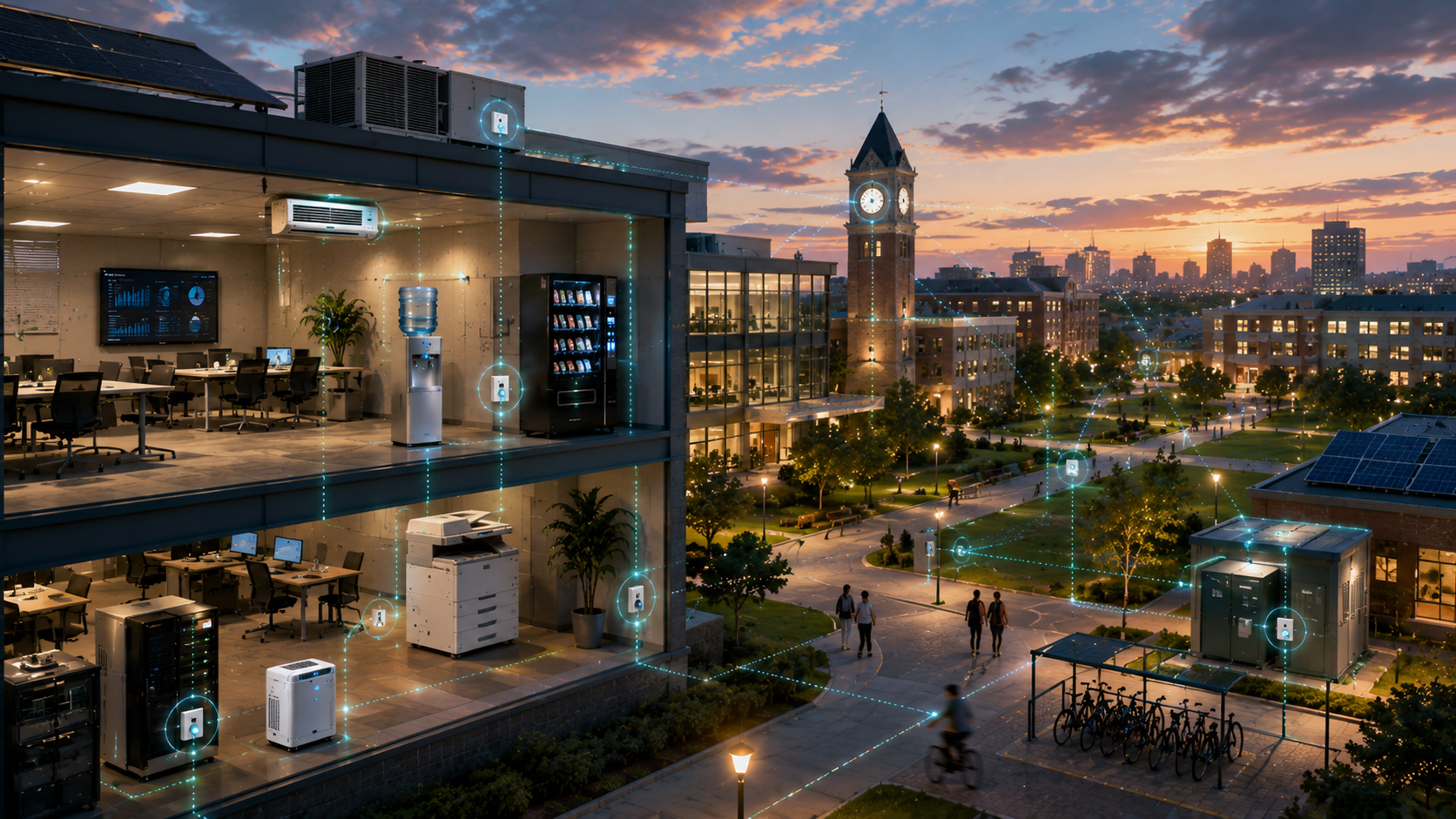
Virtual power plants (VPPs) are often described in terms of batteries, solar panels, smart thermostats, and electric vehicles. But commercial buildings, municipalities, schools, and campuses have another flexible resource already in place: appliance-level plug loads.
BOSS helps turn devices such as window A/C units, PTACs, vending machines, water coolers, dehumidifiers, air purifiers, office equipment, and other plug-in loads into measurable, controllable energy assets. That creates immediate value through energy savings and demand response while building a practical path toward VPP participation.
Why VPPs are Becoming Urgent
Electricity demand is rising, and the grid is under pressure from data centers, electrification, manufacturing growth, aging infrastructure, and peak-period constraints. Traditional generation, transmission, and distribution projects can take years to build. Utilities and energy customers need faster ways to create flexible capacity.
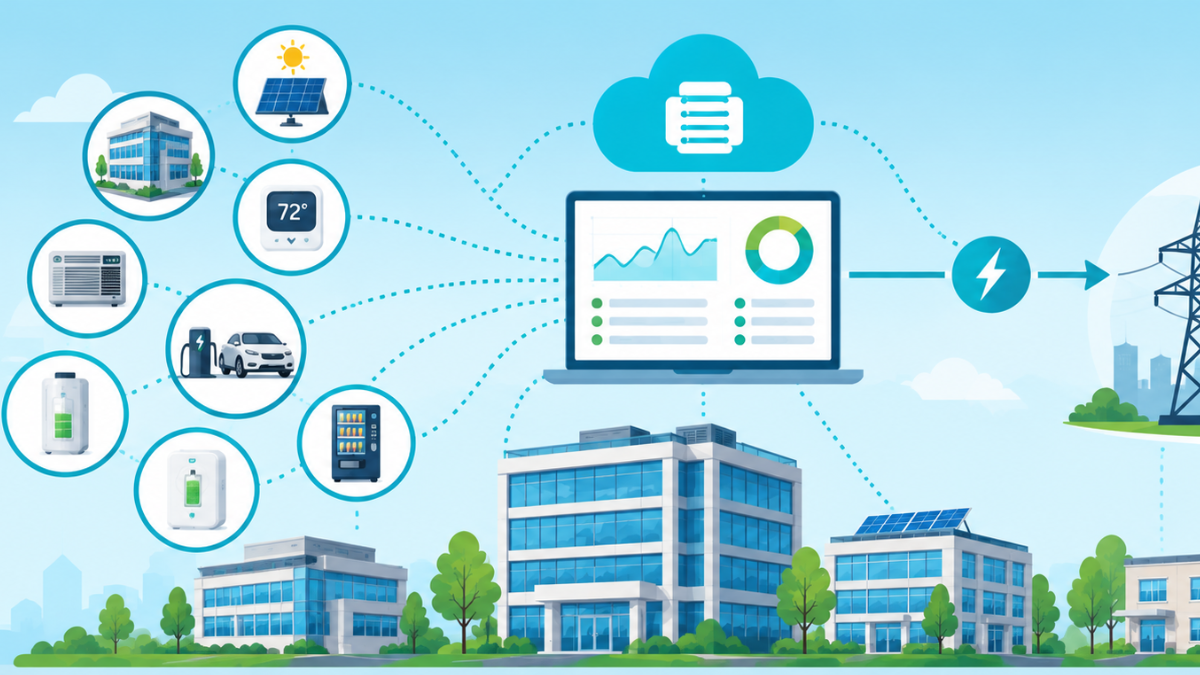
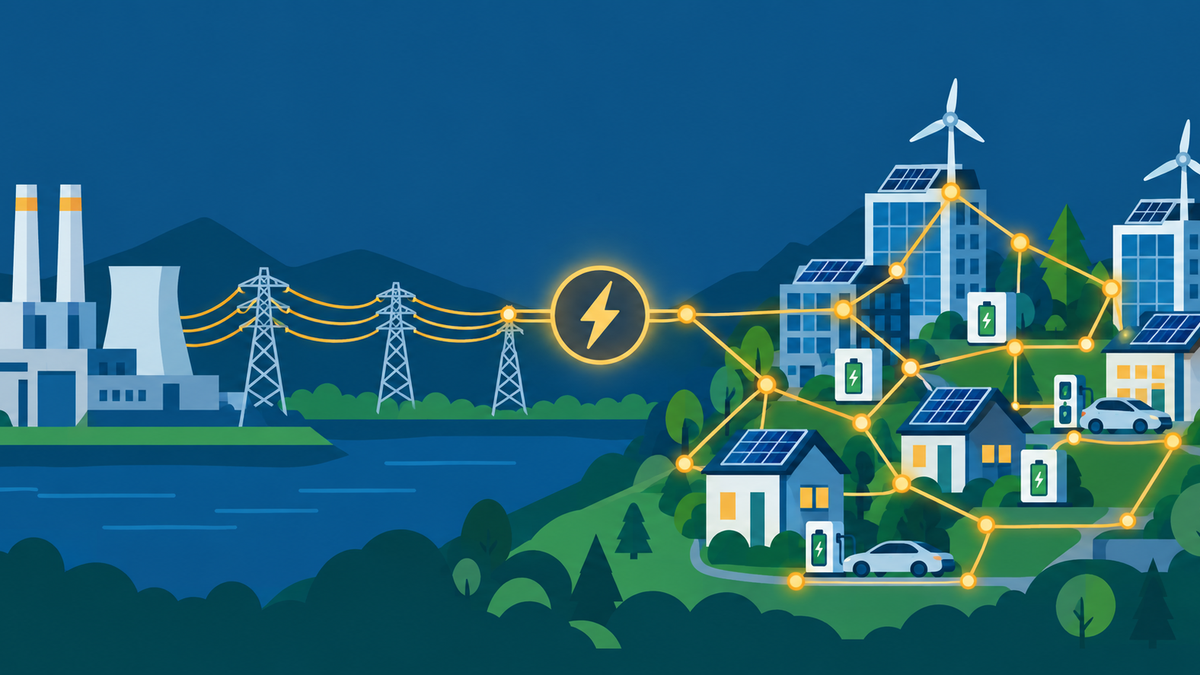
That is why virtual power plants matter. A VPP aggregates distributed resources so they can act like a coordinated grid asset. Those resources may include batteries, solar, thermostats, EV chargers, or controllable loads. The common requirement is not the device type; it is the ability to measure, communicate, control, and verify performance.
The Wall Street Journal recently described this broader opportunity as “the power plant hiding in plain sight.” The same logic applies inside commercial and public buildings: small loads become meaningful when coordinated across buildings, campuses, portfolios, and utility territories.
The Overlooked VPP Resource: Plug Loads
Many buildings already have hundreds or thousands of devices operating outside traditional building automation systems. They run after hours, over weekends, during holidays, or when spaces are unoccupied. Because these loads are distributed and often managed manually, they are easy to ignore.
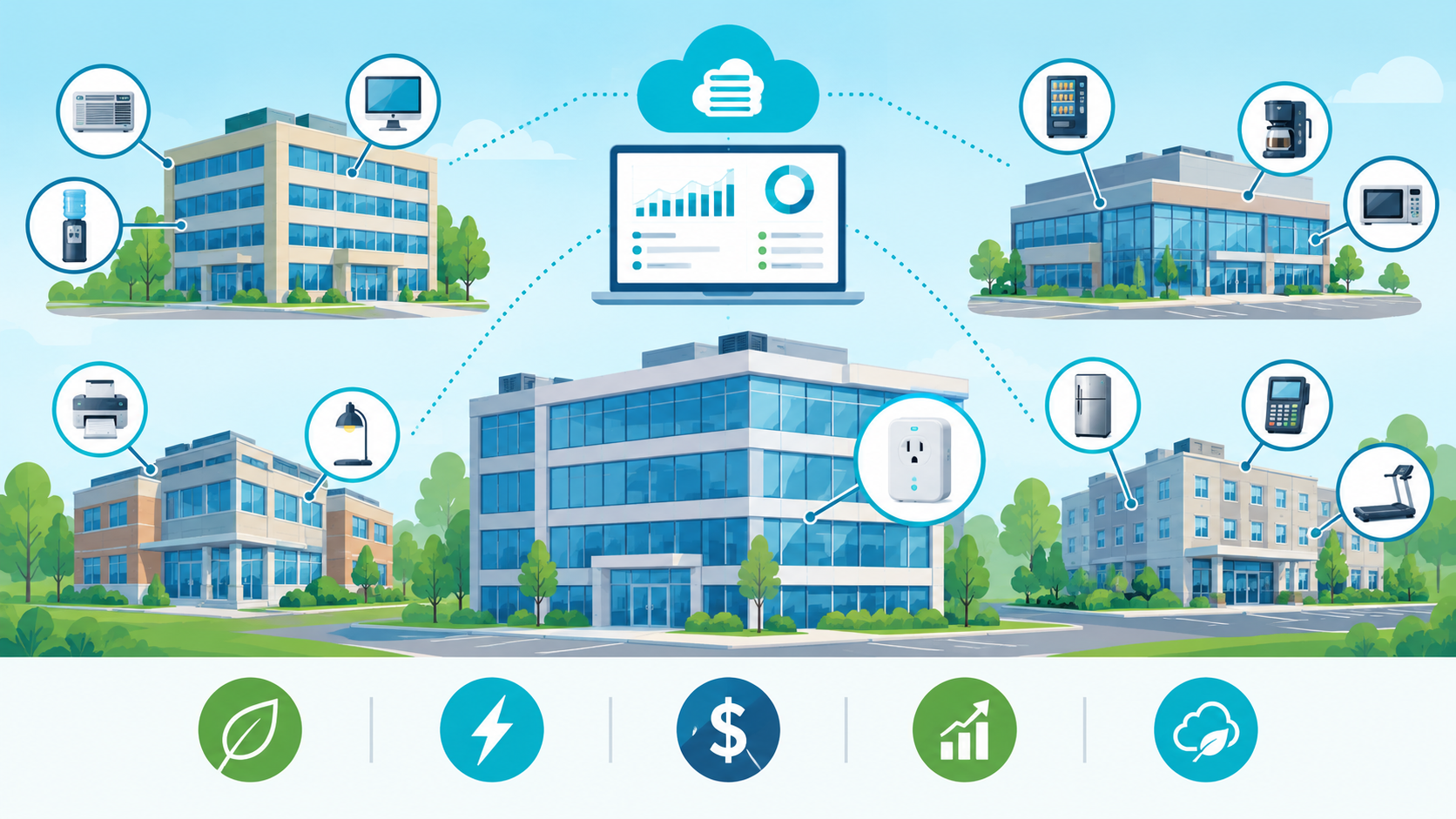
BOSS focuses directly on this gap by supporting numerous appliance-level loads — including window A/C units, PTACs, vending machines, water coolers, dehumidifiers, air purifiers, plug-in heaters, refrigeration equipment, office equipment, TVs, monitors, and similar devices — as controllable assets that can be scheduled, grouped, monitored, automated, and measured.
This matters because a VPP is only as useful as the resources it can reliably dispatch. If a building can identify which devices are operating, how much energy they use, when they can be adjusted, and what impact a control strategy creates, those devices become more than background consumption. They become flexible demand.
From Energy Savings to Grid Value
The first use case is straightforward: reduce waste. The BOSS solution enables schedule-based control during unoccupied periods such as evenings, weekends, holidays, and low-use times. In commercial building deployments, realized energy savings can be in excess of 50% for targeted plug loads, with simple paybacks under one year and, in some cases, as short as four months for high-consuming equipment.
This concept becomes more than an efficiency project. Smart plugs on devices across municipal, university, and commercial facilities, including window air conditioning units, vending machines, water coolers, water fountains, coffee pots, copiers, printers, and snack machines can enable plug load power measurement and control, rapid energy savings, aggregation of plug loads across multiple buildings for demand response events, and virtual power plant value for utilities.
That progression is important. Energy savings and VPP readiness do not have to be separate initiatives. The same device-level visibility that helps a facility team shut off unneeded equipment after hours can also support demand response, peak load management, and grid-event coordination.
What Makes a Building VPP-Ready?
A building does not become VPP-ready simply because it has devices that could be turned off. It needs a control architecture that can operate reliably at scale. Core requirements include:
- Device-level measurement: Visibility into power demand, energy consumption, operating status, and historical trends.
- Centralized control: Devices controllable by building, floor, room, device type, schedule, or custom group.
- Secure connectivity: Communications that support remote monitoring, scheduling, reporting, automation, and controlled access.
- Verification: Measurable savings and load reduction before, during, and after control events.
- Dispatch flexibility: Devices that can be reduced, cycled, or turned off according to customer-approved strategies.
BOSS combines smart load control devices, secure connectivity, and the Atmospheres® software platform to provide this foundation. The platform is positioned to support centralized scheduling, measurement, reporting, analytics, alerts, grouping, and demand response participation.
Why Appliance-Level VPPs are Practical
Major building retrofits can be expensive, disruptive, and slow. Appliance-level control is different because it targets existing equipment that is already installed. For many organizations, that makes it a practical entry point into grid-interactive energy management.
The business value is multi-sided. Building owners can reduce operating costs and potentially participate in incentive programs. Facility teams gain better visibility and less manual work. Utilities gain access to flexible behind-the-meter load that may be hard to reach through conventional programs. ESCOs and channel partners can add measurable load control to broader energy projects. Municipalities and schools can improve energy performance across distributed properties without waiting for major infrastructure replacement.
BOSS’s long-term vision extends this idea further: ordinary electrical devices become connected AIoT grid assets, and aggregated controllable loads participate in broader virtual power plant and energy market models.
Conclusion
The next virtual power plant may not look like a power plant at all. It may look like a network of buildings filled with ordinary appliances that finally have the intelligence to respond. For organizations evaluating VPP strategy, the fastest path to grid flexibility may already be plugged into the wall.
Key Takeaways
- VPPs aggregate distributed resources and controllable loads into coordinated grid assets.
- Commercial buildings contain unmanaged appliance-level loads that are often outside traditional automation systems.
- BOSS makes these loads visible, measurable, controllable, and ready for demand response or future VPP participation.
- Energy savings and grid flexibility can start with the same foundation: device-level control and verification.
- Appliance-level VPP readiness gives building owners, utilities, ESCOs, municipalities, schools, and partners a practical way to create value from existing equipment.